Rabbit Jesus Sublimation
As a designer and embroidery product reviewer, I often find myself evaluating machine embroidery designs for real-world use. Rabbit Jesus Sublimation is one such design that caught my attention. It's a unique blend of whimsy and religious iconography, which immediately raises questions about its suitability for different projects. Is it appropriate for a custom tote bag? Could it work on a baby onesie? Let’s dive into the details and see how this design holds up in practical embroidery scenarios.
The First Impression
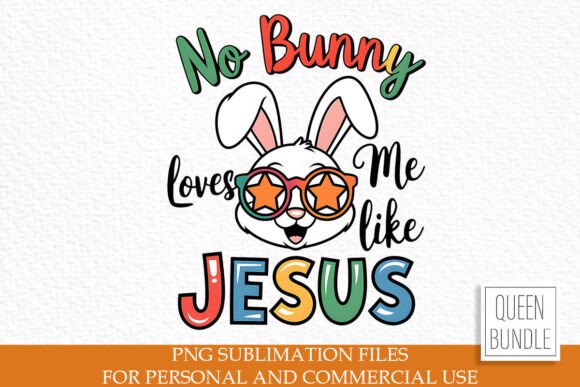
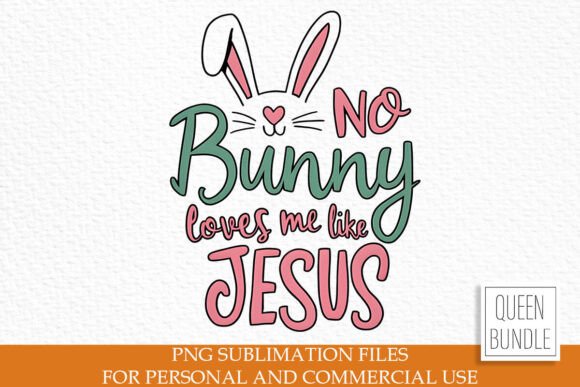
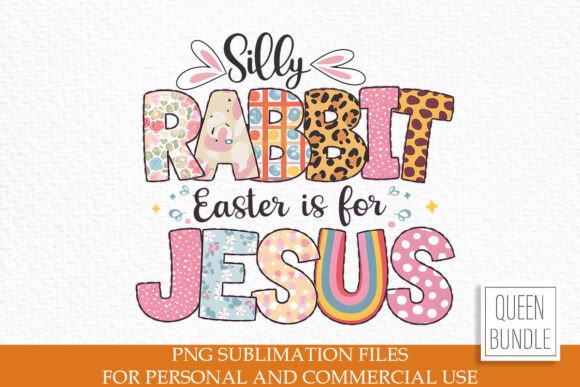
Rabbit Jesus Sublimation has a bold visual presence. The central image of a rabbit wearing a crown of thorns is both striking and unconventional. The design’s layout is balanced, with enough negative space to prevent it from feeling cluttered. The level of detail is moderate—enough to be recognizable but not so intricate that it becomes overwhelming. This makes it suitable for a variety of embroidery projects, especially those that aim for a playful yet meaningful aesthetic.
The theme is unmistakably religious, but the rabbit adds a layer of humor or irreverence that could be either appealing or off-putting depending on the audience. For a handmade product or personalized gift, this could be a conversation starter. However, it’s important to consider the target market before deciding where to place this design.
Real-Life Embroidery Scenarios
When I think about where Rabbit Jesus Sublimation would fit best, I imagine a custom embroidered tote bag for a small shop or an Etsy seller looking for something eye-catching. It could also work well as a sweatshirt embroidery or a baby onesie design. The size and complexity of the design make it ideal for larger hoop sizes, ensuring that the details remain clear and legible.
For a craft business, this design could be part of a holiday-themed collection, especially around Easter or other religious celebrations. It might also serve as a unique addition to a boutique’s apparel line or as a printable mockup for digital product sellers. The key is to match the design with the right fabric and project type.
Where to Use with Caution
While Rabbit Jesus Sublimation is visually engaging, there are certain situations where it may not perform as well. On small hoop sizes, the design might lose some of its clarity, especially in the finer details. Textured fabrics or thin, stretchy materials could cause the stitches to pucker or distort, making the final product less appealing.
Dark fabrics may require a different thread color to ensure visibility, and layered garments or curved surfaces like caps can complicate the stitching process. Tiny lettering or dense stitch areas could become problematic if not handled carefully. It’s important to test the design on scrap fabric before committing to a full project.
Impact on Visual Appeal and Customer Perception
When used effectively, Rabbit Jesus Sublimation can elevate the visual appeal of a finished product. Its unique theme can add value to handmade items, making them stand out in a crowded market. For small business owners or Etsy sellers, this design could help build brand consistency and attract customers looking for something different.
However, it’s crucial to consider how customers will react. Some may find the design offensive or inappropriate, while others may appreciate its creativity. As a designer, it’s important to weigh these factors and decide whether the design aligns with your brand’s values and audience.
Practical Designer Notes
Before using Rabbit Jesus Sublimation in any project, I recommend testing it on scrap fabric. This allows you to see how the stitches look on different materials and adjust your settings accordingly. Checking thread color contrast is essential, especially if you plan to use the design on dark or light backgrounds.
Reviewing the stitch density will help determine if the design is too dense or sparse for your project. Confirming the hoop size ensures that the design fits comfortably without distortion. Inspecting small details like corners and edges can prevent issues during the stitching process.
Testing the design in black and white mockups helps assess its visibility and impact. Comparing it on light and dark fabrics gives a better idea of how it will appear in real-life applications. Using the proper stabilizer is also crucial for maintaining the integrity of the design, especially on delicate or stretchy fabrics.
Finally, always check whether the design is suitable for both personal and commercial projects. Confirming licensing terms before selling finished items or digital products is a must to avoid legal issues.
Conclusion
Rabbit Jesus Sublimation is a design that demands attention. It’s not for every project, but when used appropriately, it can add a unique touch to custom apparel, personalized gifts, or small business merchandise. Whether you’re an embroidery designer, a craft business owner, or a creative entrepreneur, this design offers both challenge and opportunity.
As with any machine embroidery design, the key to success lies in understanding its strengths and limitations. By approaching Rabbit Jesus Sublimation with care and consideration, you can create a finished product that is both visually appealing and commercially viable.